The DOMS Lab: Muscle Soreness, Explained and Eased
DOMS — delayed onset muscle soreness, the stairs-descending comedy that arrives 24-48 hours after a new workout — is fitness’s most misunderstood sensation: not lactic acid, not damage to fear, not proof of a good session. The soreness science, and what actually helps.

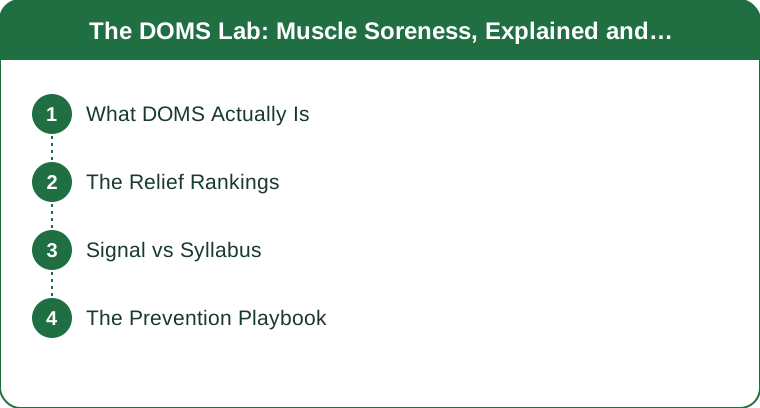
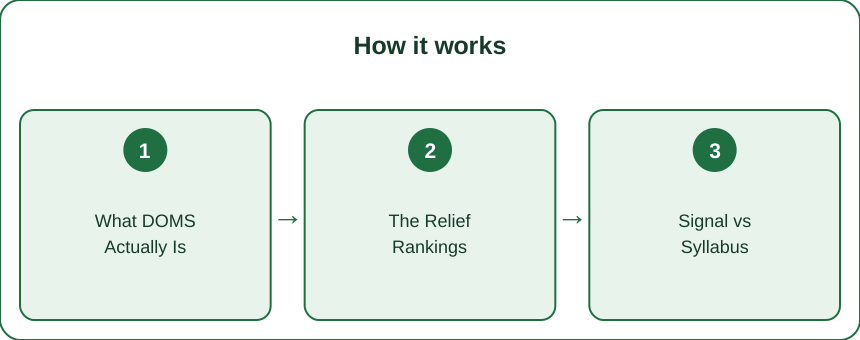
What DOMS Actually Is
The mechanism, corrected: DOMS is micro-trauma and the inflammation-repair response from UNACCUSTOMED exercise — especially eccentric work (the lowering phases: downhill walking, slow negatives, the first sand session). The retired myth: lactic acid (cleared within hours of training; it was never the culprit). The timing signature: peaks at 24-72 hours, resolves within a week — and the repeated-bout effect is the good news: the same workout that wrecked you barely registers two weeks later; adaptation is fast and protective.
The Relief Rankings
What the evidence says helps: active recovery leads (easy movement — the gentle walk, the easy spin, the pool stroll — increases blood flow and consistently outperforms lying still; motion is the medicine), massage and foam rolling (modest but real relief in the research — the roll-release ritual earns its minutes), heat for comfort (the warm bath tier — pleasant and mildly useful), sleep and protein doing the actual repair (the unglamorous heavy lifters), and the mixed-evidence tier: cold plunges (real acute relief, with the interesting caveat that regular post-STRENGTH cold exposure may blunt some adaptation — recreational users needn’t care; dedicated muscle-builders time it away from lifting), and compression (comfortable, evidence modest).

Signal vs Syllabus
Reading soreness correctly: DOMS is NOT a workout grade (the goal is progress, not pain — veterans get sore rarely because adaptation works; chasing soreness means chasing novelty, not results), training through mild DOMS is fine and often helpful (the warmed-up sore muscle works normally — first ten minutes tell you), but the red-flag list is real: sharp or one-sided pain (soreness is dull and symmetrical-ish), swelling, or the rare-but-serious combination of extreme soreness with dark urine after extreme exercise (rhabdomyolysis — emergency, not endurance). Soreness whispers; injuries speak differently.
The Prevention Playbook
Minimizing the tax: progress gradually (the 10%-ish ramp rule exists because DOMS lives in the jumps — the couch-to-anything programs are DOMS-management documents), introduce eccentric loads deliberately (the first downhill hike and the first negative-focused session deserve half-doses), warm up properly (prepared tissue tears less), and keep the repeated-bout effect alive (consistent training is the best DOMS prevention ever discovered — the two-week gap resets more soreness-vulnerability than fitness). The lab’s summary: soreness is the body’s changelog, not its report card — read it, ease it, and let adaptation file it away.
Not lactic acid, motion is medicine, don’t chase soreness, respect the red flags. DOMS is the price of novelty — paid once per new stimulus, refunded by adaptation.
Keep Reading
This article is for general informational purposes only and is not medical advice. Always consult a qualified health professional for guidance specific to you.