Do Massage Guns Actually Reduce DOMS, or Is It Mostly a Placebo Feeling?
Quick Answer: Current research shows massage guns can provide modest, short-term reductions in perceived muscle soreness and may slightly improve range of motion after intense exercise, but the evidence for meaningfully speeding up actual muscle tissue recovery (versus just perceived comfort) is limited and mixed — meaning the immediate relief feeling is real, but it’s more comparable to temporary pain-signal disruption than genuine accelerated healing.
This makes massage guns a reasonable comfort tool during a soreness episode, but not a substitute for the underlying recovery factors (sleep, nutrition, time) that actually drive tissue repair.
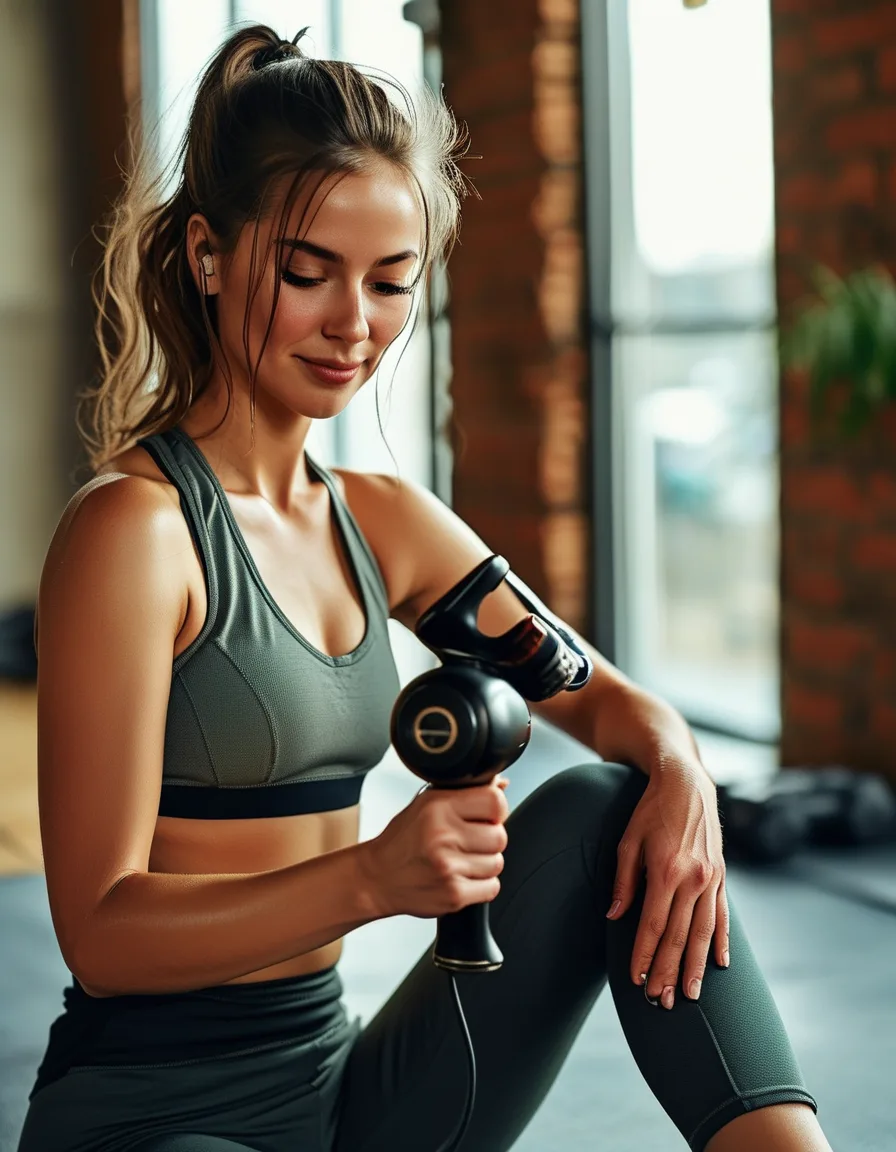
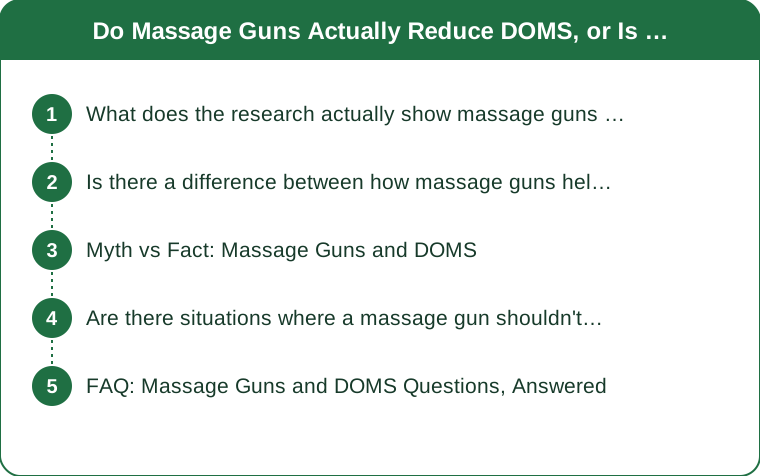
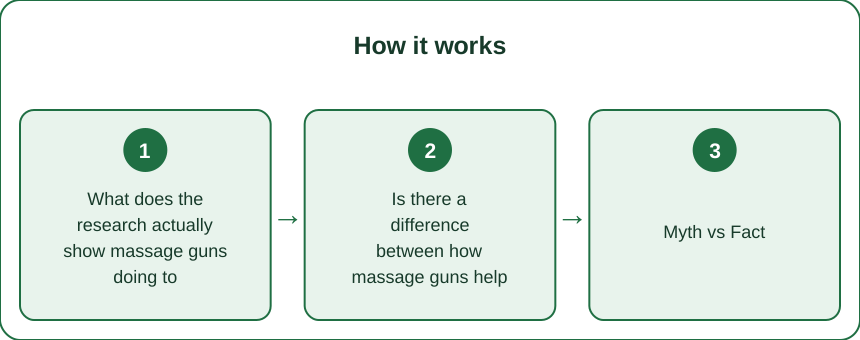
What does the research actually show massage guns doing to soreness?
Several studies have found measurable short-term reductions in perceived soreness intensity and modest improvements in range of motion within the first 24-48 hours after use, which is a genuine, non-placebo effect on the sensation of soreness, likely related to increased local blood flow and nerve signal disruption similar to other forms of massage.
However, evidence that this translates into meaningfully faster actual muscle tissue repair (measured through markers like creatine kinase levels) is much more limited and inconsistent across studies, suggesting the benefit is more about comfort and perceived recovery than accelerated healing itself.
Is there a difference between how massage guns help immediately after a workout versus days later?
Immediate post-workout use shows more consistent evidence for reducing acute muscle stiffness and modestly improving short-term range of motion, while using it specifically to speed up recovery from soreness that’s already set in 24-48 hours later shows less consistent research support.
This suggests massage guns may be more useful as an immediate post-exercise comfort tool than as a treatment specifically targeting soreness once DOMS has already peaked.

Myth vs Fact: Massage Guns and DOMS
Myth: Massage guns significantly speed up actual muscle tissue repair. Fact: Evidence for genuinely accelerated tissue healing (versus perceived comfort) is limited and inconsistent.
Myth: The relief massage guns provide is purely a placebo effect. Fact: Measurable short-term reductions in perceived soreness and improved range of motion are documented, a real physiological effect, just not necessarily faster healing.
Myth: More intense or longer massage gun use is always better for recovery. Fact: Excessive use, especially on already inflamed or acutely injured tissue, can potentially cause more irritation rather than benefit.
Are there situations where a massage gun shouldn’t be used, even for regular workout soreness?
Massage guns generally shouldn’t be used directly on an acute injury, a joint, bone, or an area with significant swelling or bruising, since percussion therapy in these cases can aggravate rather than help the underlying issue.
For typical, ordinary post-workout muscle soreness in healthy tissue, moderate use is generally considered low-risk, but anyone with a specific injury or medical condition should check with a doctor or physical therapist before using one on the affected area.
FAQ: Massage Guns and DOMS Questions, Answered
How long should a typical massage gun session last for soreness relief?
Most recommendations suggest 1-2 minutes per muscle group, moving continuously rather than holding in one spot, to avoid overstimulating any single area.
Is a more expensive, higher-powered massage gun actually more effective for soreness?
Higher price doesn’t necessarily correlate with more soreness-relief benefit; consistent, appropriate technique matters more than raw device power.
Can massage guns be used before a workout instead of just after?
Some people use them briefly pre-workout as part of a warm-up routine to increase blood flow and reduce stiffness, which is a reasonably supported use, separate from post-workout soreness relief.
TL;DR:
- Massage guns show real, measurable short-term reductions in perceived soreness and modest range-of-motion improvement
- Evidence for actually speeding up muscle tissue repair itself is much more limited and inconsistent
- They’re likely more effective used immediately post-workout than once DOMS has already set in
- They should be avoided on acute injuries, joints, or significantly swollen or bruised areas
The relief is real, but it’s closer to effective comfort management than an actual recovery accelerator. This is general information, not medical advice.
Keep Reading
This article is for general informational purposes only and is not medical advice. Always consult a qualified health professional for guidance specific to you.